
Practical Reasons To Invest in Water Filtration Installation
In recent years, water filtration installation has become a growing priority for homeowners and businesses alike. Concerns over water quality, combined with an increased awareness of health and environmental issues, have prompted many to explore practical solutions for ensuring safe drinking water. Installing a water filtration system is not simply a matter of convenience or luxury—it is an investment in long-term health, cost savings, and sustainability.
Water filtration installation offers more than just clean water; it delivers peace of mind, knowing that the water consumed daily is free from harmful contaminants. For households with children, elderly members, or anyone with a compromised immune system, the importance of high-quality water cannot be overstated. Beyond personal health, filtered water can protect appliances, save money over time, and reduce environmental impact, making it an investment with multiple benefits.
What Are the Health Benefits of Water Filtration Installation?
One of the most compelling reasons to pursue water filtration installation is the clear health advantage. Municipal water systems, while regulated, may still contain chlorine, fluoride, heavy metals, and other chemical contaminants. Long-term exposure to these substances has been linked to various health concerns, including gastrointestinal issues, skin irritations, and in some cases, more serious conditions.
Filtration systems are designed to target these impurities while maintaining essential minerals, providing water that is both safe and healthy. Advanced systems can also remove bacteria, viruses, and parasites, which reduces the risk of waterborne illnesses that can be particularly dangerous to children and the elderly.
In addition to chemical and microbial protection, water filtration installation supports overall wellness by encouraging higher water consumption. Filtered water tends to taste fresher and is free from unpleasant odors, which can motivate individuals to drink more throughout the day. Adequate hydration is critical for cognitive function, energy levels, and physical health, making high-quality water an essential component of a healthy lifestyle.
Maintaining a water filtration system is just as important as installing it. According to Houzeo, plumbing systems should be inspected every two years, and the same principle applies to filtration units. Regular inspections and timely replacement of filters ensure that the system continues to perform optimally, providing consistent protection and health benefits for all household members.
How Cost-Effective Is Installing a Water Filtration System?
Many people hesitate to invest in water filtration installation due to the perceived upfront costs. While some high-quality systems require an initial investment, the long-term financial benefits often outweigh the expense. For households that regularly purchase bottled water, the cost savings can be substantial over time. A single family can spend hundreds of dollars annually on bottled water, while a properly maintained filtration system provides unlimited access to clean water at a fraction of the cost.
Water filtration installation can also protect household appliances by reducing mineral buildup from hard water, a common problem in many regions. Scale buildup in kettles, coffee makers, dishwashers, and water heaters can decrease efficiency, lead to costly repairs, and shorten appliance lifespan. Filtered water prevents these issues, translating into additional financial savings over the long term.
Businesses and commercial spaces also benefit from water filtration installation. Offices, restaurants, and gyms that rely on filtered water reduce the need for bottled water deliveries, lower health risks for employees and clients, and decrease maintenance costs for water-using appliances. The combination of health, efficiency, and long-term cost savings makes water filtration installation a financially sound choice across multiple contexts.
What Environmental Advantages Does Water Filtration Offer?
Water filtration installation delivers clear environmental benefits that extend beyond individual households. A primary advantage is the reduction of plastic waste. Millions of single-use plastic bottles are discarded each year, contributing to landfill overflow and ocean pollution. By filtering water at home or at a business, reliance on bottled water decreases dramatically, mitigating this environmental problem.
Additionally, bottled water production and distribution require large amounts of energy, water, and other resources. Every bottle produced consumes water for manufacturing, energy for bottling, and fuel for transportation. On-site filtration minimizes the demand for processed water, significantly reducing the carbon footprint of daily consumption.
Modern water filtration systems are increasingly designed with sustainability in mind. Reverse osmosis units often include water-saving features, while long-lasting filters reduce waste from frequent replacements. By investing in water filtration installation, homeowners and businesses can take an active role in promoting eco-friendly practices. In a world where sustainability is becoming an urgent priority, filtration systems represent a practical, impactful choice.
How Does Water Filtration Enhance the Taste and Quality of Water?
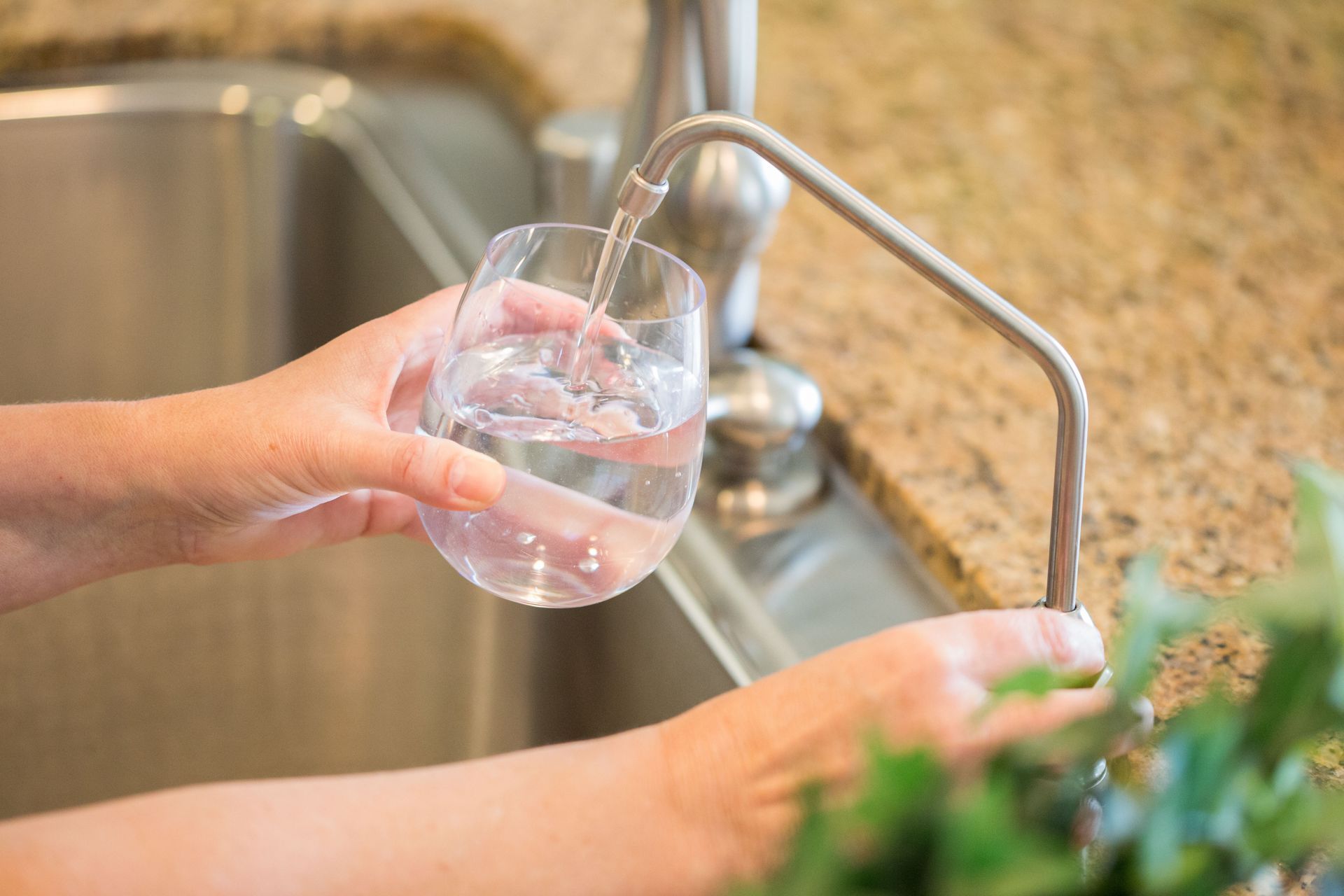
Improved taste and quality are among the most noticeable benefits of water filtration installation. Many municipal water systems contain chlorine, sulfur, or other chemicals that create unpleasant flavors and odors. Filtration systems remove these substances, producing water that is refreshing, clean, and enjoyable to drink.
The improvement in taste encourages higher daily water intake, supporting better overall hydration. For individuals who struggle to consume enough water, filtered water can make a significant difference in their health routines. It also enhances beverages like coffee, tea, and smoothies, which rely on high-quality water for optimal flavor.
Filtered water improves the quality of food preparation as well. Recipes that use water for cooking, baking, or brewing benefit from the removal of sediments and chemicals, resulting in better texture, flavor, and appearance. Beyond taste, water filtration installation reduces sediment and improves clarity, which also helps prevent staining in sinks, cookware, and appliances. The overall quality and enjoyment of water are markedly improved with a reliable filtration system.
What Types of Water Filtration Systems Are Available for Installation?
Understanding the types of water filtration systems is essential when considering installation. Point-of-use systems, such as faucet-mounted or under-sink filters, are designed to provide clean water to a specific location. These systems are generally affordable, simple to install, and effective for everyday drinking and cooking purposes.
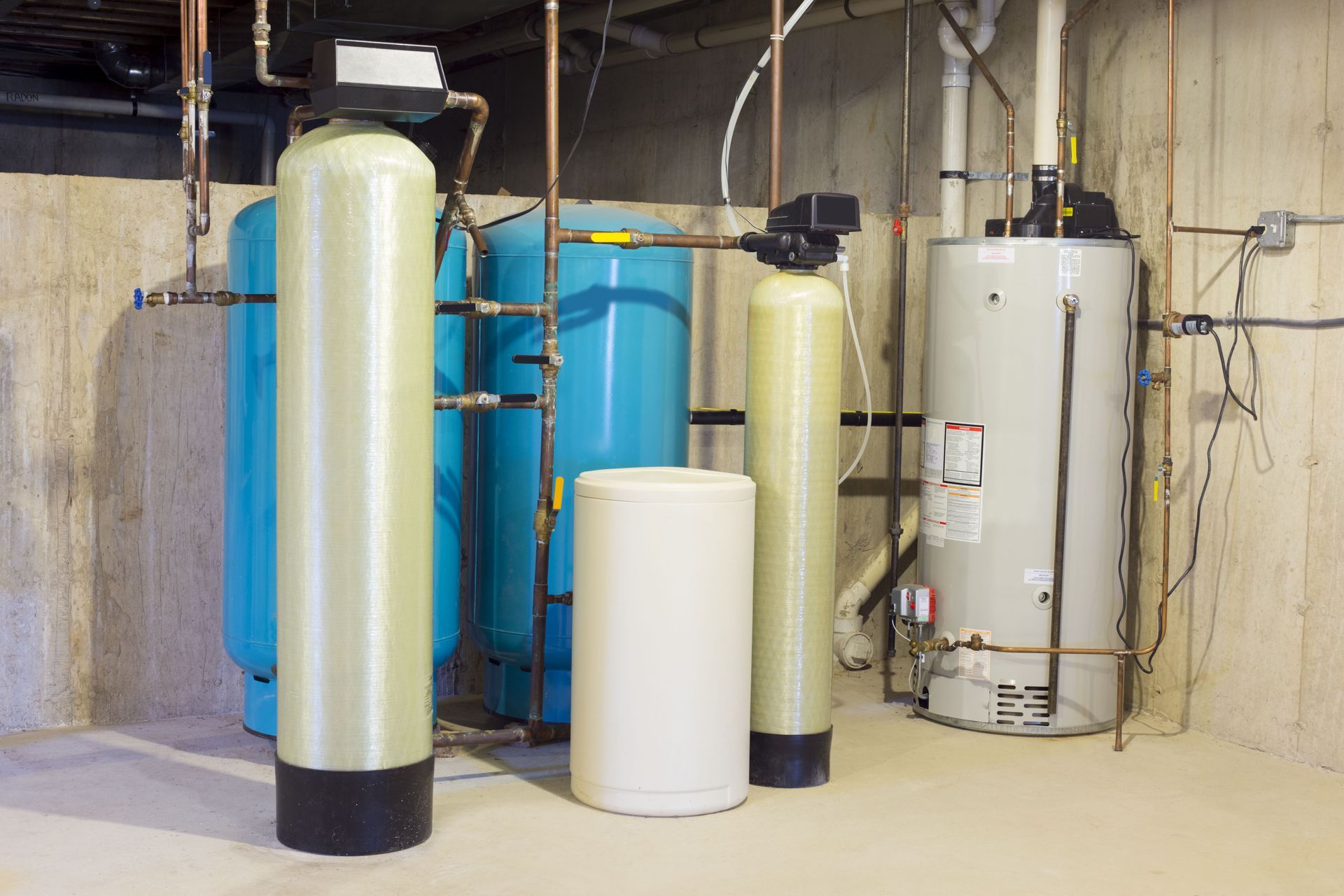
Whole-house filtration systems, by contrast, provide filtered water throughout an entire property. These systems protect all taps, showers, and appliances from contaminants, which is especially valuable in areas with older plumbing or hard water. While they require a higher initial investment, whole-house systems provide comprehensive protection and long-term benefits.
Advanced filtration technologies, including reverse osmosis and UV purification, address specific water quality concerns. Reverse osmosis removes dissolved solids, heavy metals, and other impurities, while UV systems target bacteria and viruses. Combining multiple technologies during water filtration installation can provide a tailored solution for households or businesses, ensuring optimal protection and water quality.
When selecting a system, it’s important to evaluate water quality, household size, daily usage, and budget. Consulting a professional during water filtration installation ensures the chosen system meets the specific needs of the property, maximizing health, financial, and environmental benefits.
Additional Considerations for Maintaining Filtration Systems
Investing in water filtration installation also involves understanding the ongoing care required to maintain performance. Regular filter replacement, periodic system inspections, and occasional cleaning are all necessary to keep the system operating efficiently. Ignoring these steps can reduce filtration effectiveness, potentially allowing contaminants to enter drinking water.
Professional inspections every two years, as recommended for plumbing systems by Houzeo, can help prevent problems before they arise. These inspections ensure that all components are functioning correctly and that the system continues to provide high-quality water. Homeowners can also extend filter life by following manufacturer guidelines and monitoring water usage patterns.
Investing in
water filtration installation provides a wide range of practical benefits. From safeguarding health and improving water taste to saving money and supporting environmental sustainability, filtration systems offer value that extends beyond the immediate household. By choosing the right system, maintaining it properly, and scheduling inspections every two years as recommended, households and businesses can enjoy clean, safe water for years to come.
Ultimately, water filtration installation is a smart and responsible decision. It supports a healthier lifestyle, reduces reliance on disposable plastics, and ensures that every glass of water consumed is both safe and enjoyable. For anyone seeking a combination of health, convenience, and sustainability, investing in a quality water filtration system is a clear and worthwhile choice. If you're considering a water filtration system for your home, reach out to the professional team at Grossman Plumbing and Heating today!

Share On: