Signs You Should Consider a New Water Heater
Coming home to a cold shower is more than a minor inconvenience; it is a clear signal that your home’s infrastructure is struggling. Most homeowners take hot water for granted until the moment the taps run cold. Recognizing red flags helps you avoid stressful emergencies through proactive planning and professional intervention.
Observing Changes in Water Quality
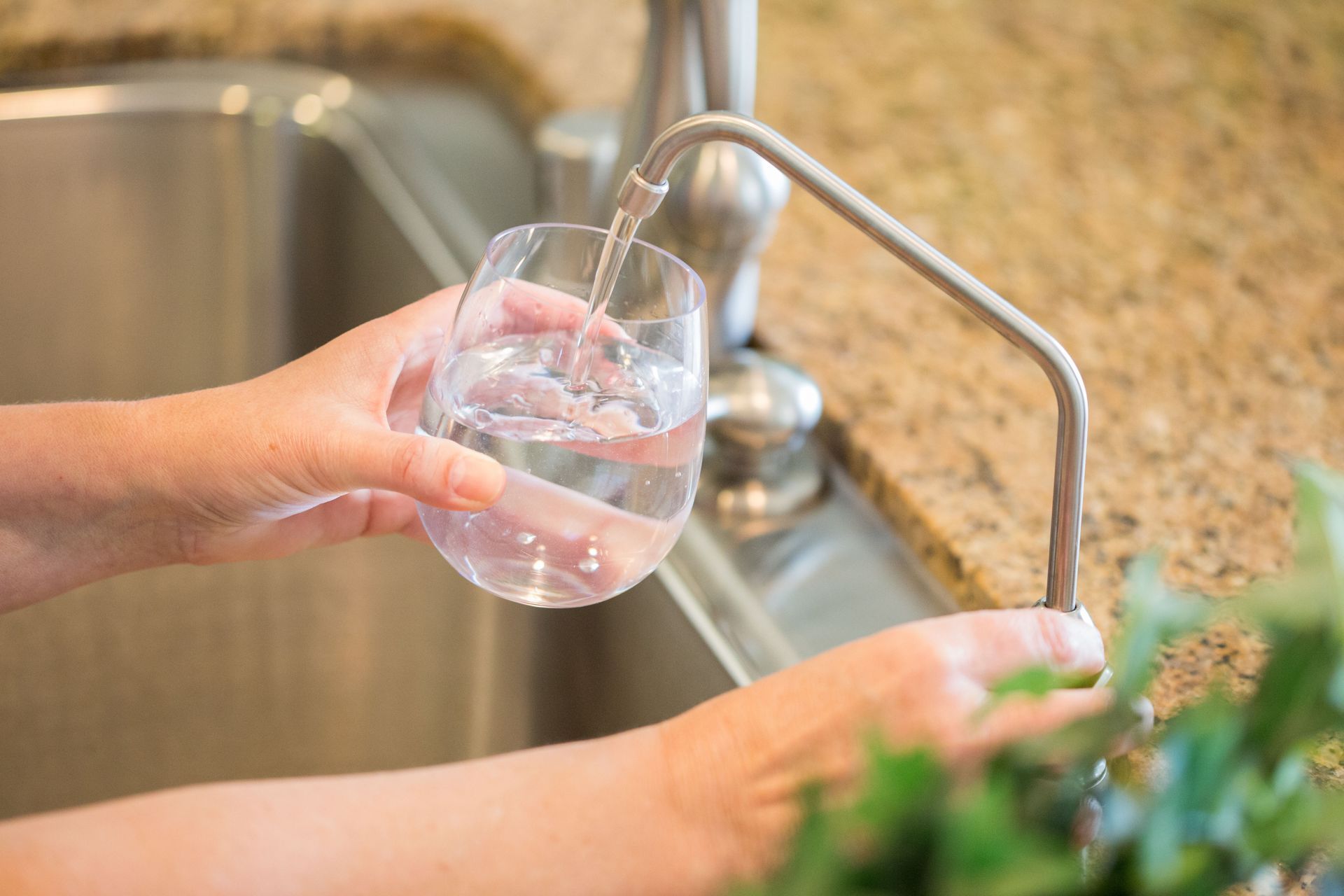
The first sign of a failing tank often appears in your sink or bathtub. If you notice a rusty or brownish tint to your water, it usually indicates that the internal tank lining is corroding. This rust eventually eats through the metal, leading to catastrophic leaks that can ruin flooring. When the water looks cloudy or metallic, it is time to consult experts who provide water heater services to evaluate the integrity of your system.
Sediment buildup is another common issue that affects water clarity. Over time, minerals like calcium and magnesium settle at the bottom of the tank, especially in areas with hard water. This debris can be pushed into your pipes, leading to clogged faucets and gritty water. Professionals can determine if a flush will suffice or if the buildup has caused permanent damage to the heating elements.
Beyond visual cues, keep an eye out for unusual metallic tastes or smells. Bacteria can sometimes thrive in older tanks where the temperature is not consistently maintained. If your hot water smells like sulfur or rotten eggs, the internal environment of your heater is compromised. Addressing these hygiene concerns requires professional water heater services to identify whether the unit needs a deep cleaning or a complete replacement.
Monitoring Fluctuations in Water Temperature
A reliable heater should provide a steady stream of warmth regardless of how long the shower runs. If you find that the water starts hot but quickly turns lukewarm, your heating components are likely failing. In electric models, one of the two elements often burns out first, leaving you with only half the heating capacity. This inconsistency is a major signal that the unit is no longer capable of meeting household demands.
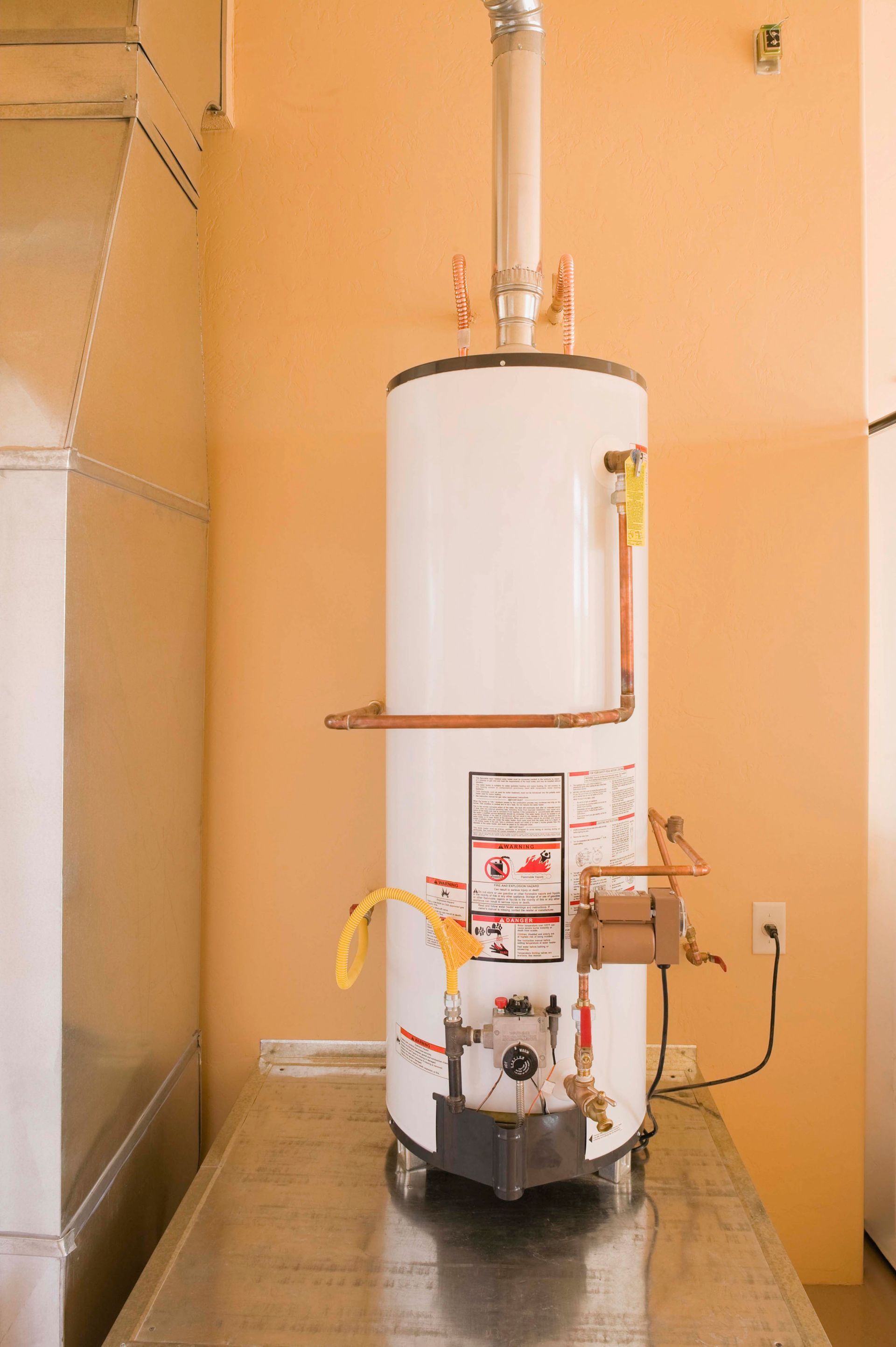
Inconsistent temperatures can also stem from a faulty thermostat or a broken dip tube. The dip tube is responsible for pushing cold water to the bottom of the tank to be heated; if it breaks, cold water mixes with the hot water at the top. This results in pockets of cold water that catch you off guard during use. Relying on professional water heater services ensures that these internal components are inspected thoroughly to determine if a repair is viable.
Total loss of hot water is the most obvious sign of failure, but it often follows weeks of minor temperature swings. If you find yourself constantly adjusting the dial to get the same level of comfort, the system is working much harder than it should. This extra strain leads to higher energy bills and eventually a total system shutdown. Catching these temperature fluctuations early allows you to schedule a replacement on your own terms.
Identifying Unusual Noises and Vibrations
As a water heater ages, it often becomes much louder during heating cycles. You might hear banging, popping, or rumbling sounds coming from the utility closet. These noises are typically caused by the boiling of water trapped underneath a thick layer of sediment at the bottom of the tank. As the sediment hardens from repeated heating, it creates a barrier that makes the burner work overtime.
The constant banging is not just annoying; it is a sign of physical stress on the metal tank. The trapped air bubbles and intense heat cause the metal to expand and contract more violently than intended. Over time, this leads to microscopic cracks in the tank wall that will eventually burst. If your basement sounds like a construction site when the heater kicks on, it is wise to look into professional water heater services.
Vibrations can also indicate that the pump or the venting system is misaligned or failing. High-pitched whistling sounds might suggest high-pressure buildup inside the tank, which is a significant safety hazard. These sounds serve as an early warning system for homeowners. Ignoring these audible cues usually results in a much more expensive restoration project once the unit finally gives out and leaks across your floor.
Checking for Visible Leaks and Moisture
Water pooling around the base of your heater is never a good sign and should be addressed immediately. Even a small damp spot can indicate a slow leak from a seam or a fitting that is under pressure. According to the EPA, leaks exist in up to ten percent of homes, which wastes over 90 gallons or more per day. While some leaks occur at the valves, a leak coming from the tank body is an irreparable issue.
Constant moisture creates a perfect environment for mold and mildew to grow in your utility room. This can lead to respiratory issues for your family and structural rot in your home framing. If you notice salt-like deposits on the outside of the pipes, this is a sign of slow evaporation from a pinhole leak. Utilizing expert water heater services can help you identify if the leak is a simple loose connection or a terminal fracture.
The pressure relief valve is another common source of moisture that signals trouble. If this valve is constantly dripping, it means the internal pressure or temperature is reaching dangerous levels. While the valve is doing its job by preventing an explosion, the underlying cause needs professional diagnosis. A system that is constantly venting fluid is inefficient and prone to sudden failure, making it a prime candidate for a modern replacement.
Evaluating the Age and Efficiency Levels
Most traditional tank-style heaters are designed to last between eight and twelve years. If you are unsure of the age of your unit, you can check the serial number on the manufacturer's sticker. Once a system passes the ten-year mark, the probability of a major component failure increases significantly. Investing in water heater services for a unit this old is often less cost-effective than simply upgrading to a newer model.
Efficiency is a major factor to consider when your unit enters its second decade of service. Older models lack the advanced insulation and high recovery rates found in modern systems. If your energy bills have been creeping upward despite no change in usage habits, your water heater is likely the culprit. Modern units offer much better performance and can pay for themselves over time through reduced monthly utility expenditures.
Technology in the plumbing industry has advanced rapidly, offering smarter features like leak detection and digital temperature control. An old heater lacks these safety nets, leaving your home vulnerable to undetected floods. By proactively seeking out water heater services to replace an aging unit, you gain peace of mind and the benefit of updated warranties. Transitioning to a new system before the old one fails allows for better research.
Upgrading your water heater is a significant investment in the long-term health of your home. By paying attention to water quality, temperature stability, and unusual sounds, you can avoid the chaos of a sudden system failure. Professional guidance is essential for selecting a unit that matches your specific household needs. Stop settling for cold showers and lukewarm results; contact Grossman Plumbing and Heating today to secure the reliable hot water performance your household deserves.

Share On: