When Water Heater Repairs Aren’t Enough: Choosing a New System
Understanding when your system is approaching failure can help you avoid sudden disruptions, costly damage, and unnecessary stress at home. Many homeowners don’t think about their water heater until something goes wrong, but early awareness of warning signs makes a major difference in both comfort and cost. Knowing what to look for can also help you determine whether simple fixes or full replacement is the better path.
In many cases, issues that start small gradually turn into bigger problems that affect daily routines like bathing, cooking, and cleaning. That is why identifying performance changes early is so important. While some situations may be resolved with maintenance or water heater repairs, others indicate that the system is reaching the end of its useful life and may need replacement. Ongoing water heater repairs can sometimes extend usability, but repeated issues often signal deeper system decline that should not be ignored.
Recognizing the Age of Your Water Heater
The age of your system is one of the most reliable indicators of whether performance issues are expected or abnormal. Most traditional units have a limited lifespan, and once they move beyond that range, efficiency and reliability often begin to decline noticeably. Understanding how long your system has been in service helps you anticipate whether water heater repairs are a short-term fix or part of a larger pattern of deterioration.
Manufacturers typically place labels on units that include production dates and model information. This data helps homeowners estimate remaining service life, especially when combined with maintenance records. Once a unit reaches a certain age, even small issues may begin appearing more frequently. At that stage, water heater repairs may become more common, and evaluating long-term replacement becomes more practical than continuing repeated fixes.
Usage patterns also influence aging. Larger households tend to place more consistent demand on hot water systems, which can shorten effective lifespan. In homes with high usage, components wear faster, and efficiency drops sooner. Even if the unit is technically within its expected age range, frequent water heater repairs can indicate that the system is struggling to keep up with demand and may need reassessment.
Identifying Inefficient Heating Performance
The performance changes are often the first noticeable signs that something is not functioning correctly. When water temperature becomes inconsistent or hot water runs out faster than usual, it may point to internal wear or sediment buildup affecting heating efficiency. These issues often begin gradually, making them easy to overlook at first.
Another common sign is longer heating cycles. When a system takes noticeably more time to produce hot water, internal components may be working harder than they should. This increased strain often leads to higher energy usage and may result in rising utility costs. In some cases, water heater repairs can temporarily restore efficiency, but repeated slow performance often indicates that the system is approaching failure.
Reduced capacity is also a concern. Mineral buildup inside the tank can reduce available hot water volume, meaning households may run out of hot water more quickly during peak usage. This is one of the clearest indicators that performance is declining. When water heater repairs no longer restore consistent output, replacement becomes a more practical long-term solution.
Observing Physical and Visual Indicators
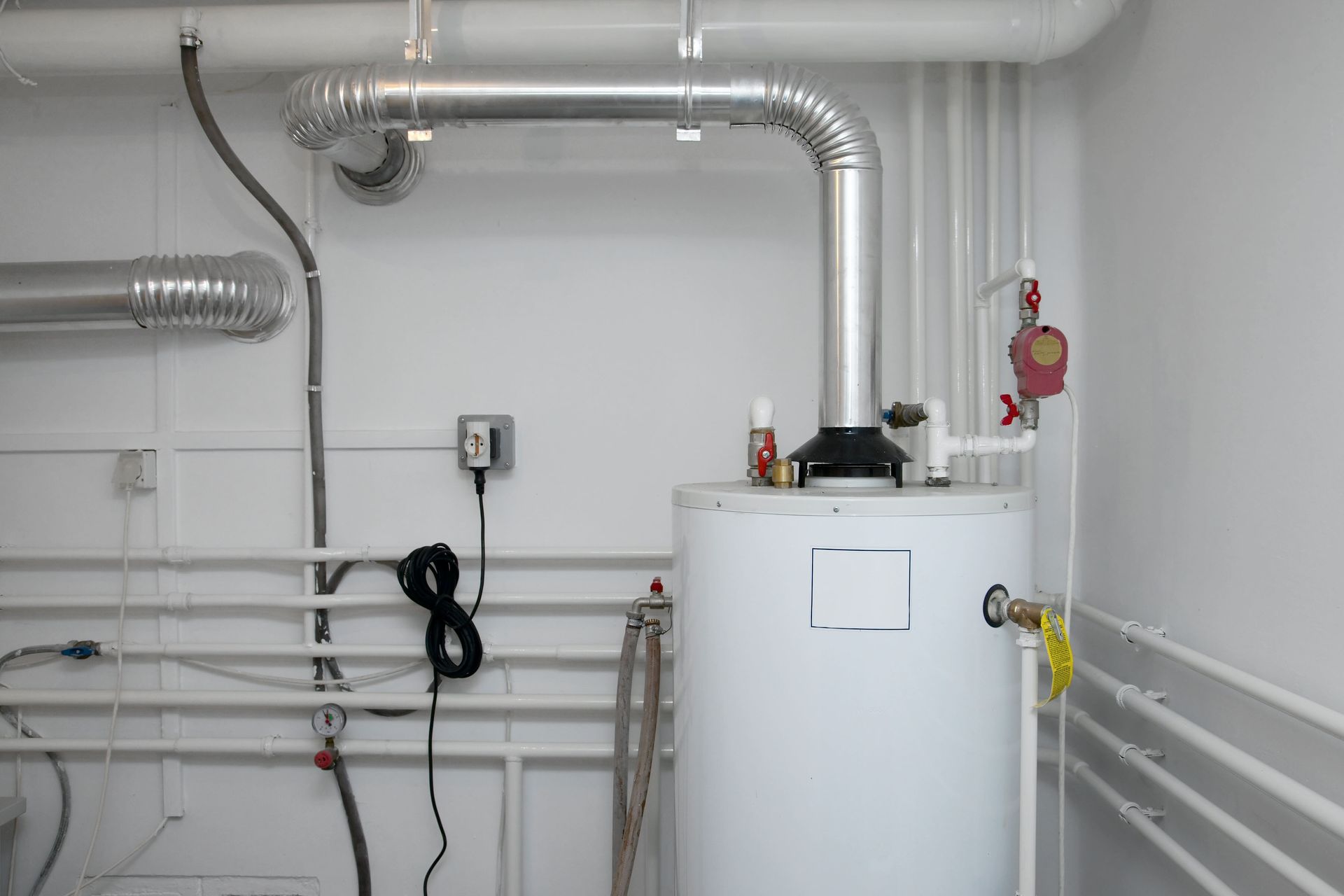
Physical signs of deterioration are often easier to detect than internal performance issues. Rust, corrosion, or discoloration around the tank or connected pipes may indicate internal damage. These visible changes often signal that the system is aging and may not continue operating safely or efficiently for much longer.
Leaks are another serious warning sign. Even small amounts of moisture around the base of the unit can indicate cracks or failing internal components. While some leaks may be addressed through water heater repairs, recurring or worsening leaks typically suggest structural failure within the tank itself. At that point, continued operation may lead to water damage or additional home repairs.
Unusual noises such as popping or rumbling can also indicate sediment buildup at the bottom of the tank. As sediment hardens, it reduces heating efficiency and causes strain on the system. While flushing may temporarily help, repeated noise issues often mean that water heater repairs will only provide short-term relief before performance declines again.
Understanding Safety and Operational Concerns
Safety is one of the most important factors when evaluating a water heating system. Faulty pressure valves, inconsistent thermostat readings, or electrical irregularities can create operational risks that should not be ignored. These issues often develop gradually, making routine inspection important for early detection.
Gas-powered systems also carry additional considerations, including ventilation and carbon monoxide risks. Any signs of improper combustion or ventilation issues should be addressed immediately. While water heater repairs can resolve certain mechanical problems, recurring safety-related concerns often indicate that the system is no longer operating within safe parameters.
Electrical issues such as tripped breakers or an inconsistent power supply may also indicate internal faults. These problems can place strain on household electrical systems and reduce reliability. In many cases, repeated electrical-related water heater repairs may suggest that upgrading the system is a safer and more stable long-term option.
Weighing Repair Costs and Replacement Value
One of the most practical considerations for homeowners is whether continued repairs are financially worthwhile. As systems age, repair frequency often increases, and costs can accumulate quickly. While occasional maintenance is expected, repeated water heater repairs can eventually exceed the cost of replacement.
Older systems also tend to require more specialized parts, which may be harder to source and more expensive. This can make even minor repairs costly and time-consuming. Evaluating the total cost of ongoing water heater repairs compared to the price of a new unit can help clarify the better long-term decision.
Efficiency also plays a role in cost evaluation. Older units often consume more energy to produce the same amount of hot water, leading to higher utility bills over time. In many cases, upgrading a system reduces long-term expenses more effectively than continuing repeated water heater repairs on an aging unit.
Selecting the Right Replacement System
Choosing a replacement involves considering household size, usage patterns, and energy preferences. Different systems offer varying levels of efficiency and capacity, and selecting the right fit can significantly improve daily comfort. Homeowners should think beyond immediate repair needs and focus on long-term performance.
System size is especially important. According to Today's Homeowner, most homeowners require a 30- to 50-gallon water heater, which costs between $700 and $2,500 on average to install. This range helps illustrate typical household requirements and budget expectations. Choosing the correct size reduces strain on the system and minimizes the need for frequent water heater repairs. Proper sizing also helps maintain consistent water availability during peak usage periods.
Recognizing when a water heating system is nearing the end of its lifespan can help homeowners avoid unexpected breakdowns and unnecessary expenses. While some issues can be addressed with timely water heater repairs, ongoing problems often indicate a deeper system decline that cannot be resolved permanently through maintenance alone.
Ultimately, balancing repair costs with long-term efficiency is key to making the right decision. Whether dealing with inconsistent performance or rising energy bills, evaluating the full picture helps prevent repeated disruptions. If your system is showing multiple warning signs, now may be the right time to explore replacement options instead of continuing ongoing
water heater repairs. Taking action early can help maintain comfort, reduce costs, and improve overall home reliability. Consider reviewing your system today with the help of Grossman Plumbing and Heating.

Share On: