
Water Heater Install Requirements Homeowners Should Know
Water heaters are essential appliances in modern homes, providing comfort and convenience for daily activities. Homeowners looking to perform a water heater install must pay careful attention to safety, energy efficiency, and regulatory compliance. Informed decision-making ensures optimal performance and prevents hazardous situations or potential legal complications.
Before beginning the process, it is important to understand the different types of units available. Each model comes with unique advantages that cater to specific household needs and preferences. Being aware of building codes, permits, and sustainability options helps in aligning with legal standards and embracing eco-friendly practices.
Understanding Different Types of Water Heaters
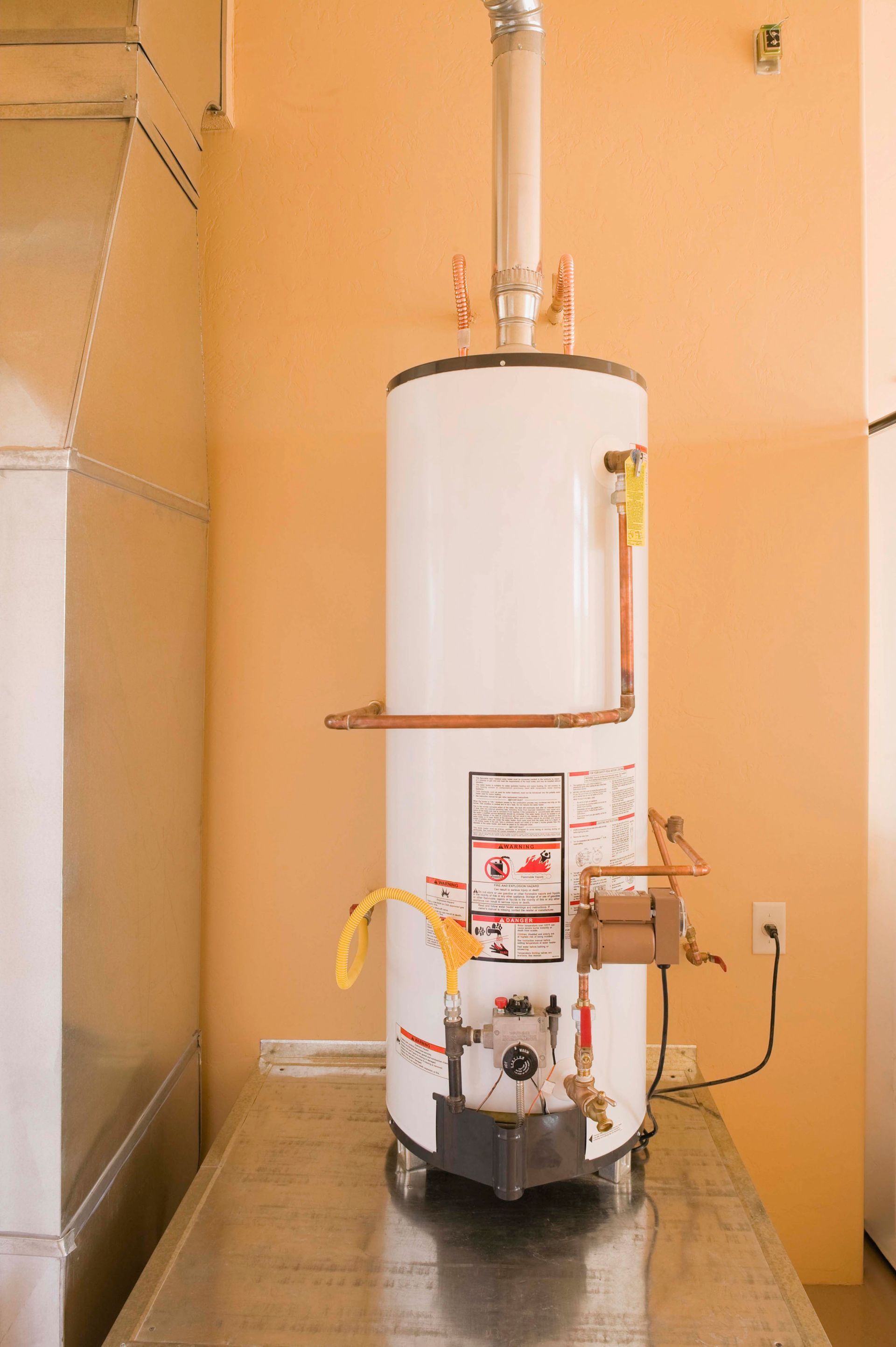
Conventional storage water heaters consist of an insulated tank that stores hot water ready for use. While these are often the most affordable upfront, they may incur higher energy costs due to standby heat loss. Factors such as tank capacity, fuel type, and energy efficiency ratings are crucial in determining the ideal model for a home.
The installation involves careful consideration of space allocation for the tank and power lines. Proper insulation and regular maintenance can mitigate heat loss and optimize overall performance. According to WebFx, about 130,000 plumbing companies are operating in the U.S., many of which specialize in ensuring these units meet local building codes.
Tankless water heaters, also known as on-demand systems, heat water directly without a storage tank. This technology provides a continuous supply of hot water, eliminating the standby heat loss found in traditional models. Although they have higher upfront costs, the long-term energy savings and prolonged lifespan make them a popular choice for a modern water heater install.
These systems are compact, enabling versatile placement in tight spaces provided there is adequate ventilation. However, it is crucial to assess the household's flow rate to ensure the unit can handle concurrent demands. Professional installation is recommended to handle the complex electrical or gas connections required for these high-efficiency units.
Energy Efficiency and Heat Pump Technology
Heat pump water heaters utilize electricity to move heat from the air or ground to the water. These systems are highly effective in moderate climates and can result in significant energy savings over time. Despite a higher purchase price, the reduction in operational costs is compelling for environmentally-conscious homeowners.
The location of a heat pump unit is vital for maximizing its efficiency and performance. They work best in environments with consistent air temperatures, such as basements or utility rooms. Homeowners should ensure easy access for routine filter cleaning to maintain the system's thermal exchange capabilities.
Solar water heaters harness the sun to provide a sustainable and cost-effective hot water solution. By using solar collectors, these systems absorb energy and convert it into heat, which is then transferred to a storage tank. Investing in this technology supports renewable energy initiatives and can increase property value through eco-friendly upgrades.
Installing a solar system requires a strategic approach regarding the orientation and angle of solar panels. Homeowners must also comply with specific building codes that govern renewable energy installations. An efficiently installed solar heater promises years of dependable service with minimal environmental impact.
Assessing Household Water Needs
Understanding household size and water usage is critical to choosing the appropriate equipment. The number of occupants and the frequency of appliance use are the primary factors that influence the success of a water heater install. If the unit cannot meet demand, the household will suffer from inconsistent temperatures and system strain.
Homeowners should also consider potential changes in lifestyle or household size over the heater's lifespan. Families expecting growth may require larger capacities to accommodate future needs without requiring a premature replacement. Factoring in these future variables ensures a proactive and cost-effective approach to home utility management.
Calculating peak hour demand is fundamental to selecting a unit with the right capacity. This metric refers to the highest volume of hot water required within a single hour, usually during morning routines. Listing daily activities helps establish an accurate profile of maximum draw for the household.
Professional assistance is often invaluable when calculating these technical specifications. Experts leverage industry tools to translate usage data into practical heater models that fit your budget and space constraints. Accessing professional insight can streamline the decision-making process and ensure the system is not undersized.
Capacity and Technical Requirements
Determining the correct capacity ensures a sufficient supply while optimizing operational efficiency. Tank capacities typically range from 20 to 80 gallons, which influences both the footprint of the unit and the availability of hot water. Choosing a size too large can lead to wasted energy, while an undersized unit leads to frequent cold showers.
When evaluating tankless options, homeowners should focus on the flow rate, measured in gallons per minute. This ensures the unit can provide enough hot water for simultaneous tasks, such as running a dishwasher while someone is showering. Accurate calculations prevent temperature fluctuations and ensure a more comfortable user experience.
Modern advancements have led to the creation of compact, high-capacity heaters for limited spaces. Homeowners should evaluate their installation site for constraints and look for appliances designed for versatile placement. Strategic adaptations can lead to optimized setups that maximize both convenience and capacity without sacrificing floor space.
Future-proofing your water heater install involves anticipating technological shifts and evolving energy standards. Selecting modular or smart-enabled units allows for easier upgrades as new features become available. This forward-thinking approach ensures your investment remains viable for the next decade or more.
Safety Standards and Compliance
Local building codes are designed to ensure that every water heater install is performed safely and legally. These regulations cover everything from venting requirements to the type of piping materials allowed. Failure to follow these codes can result in fines or issues when trying to sell the property in the future.
Permits are usually required for new installations to ensure the work is inspected by a qualified official. This process provides an extra layer of protection for the homeowner, confirming that the system is safe for daily use. Always check with local authorities to determine which permits are necessary for your specific project.
Safety features like temperature and pressure relief valves are non-negotiable components of any system. These valves prevent the tank from over-pressurizing, which could otherwise lead to a catastrophic failure. Regular testing of these safety devices is a critical part of home maintenance.
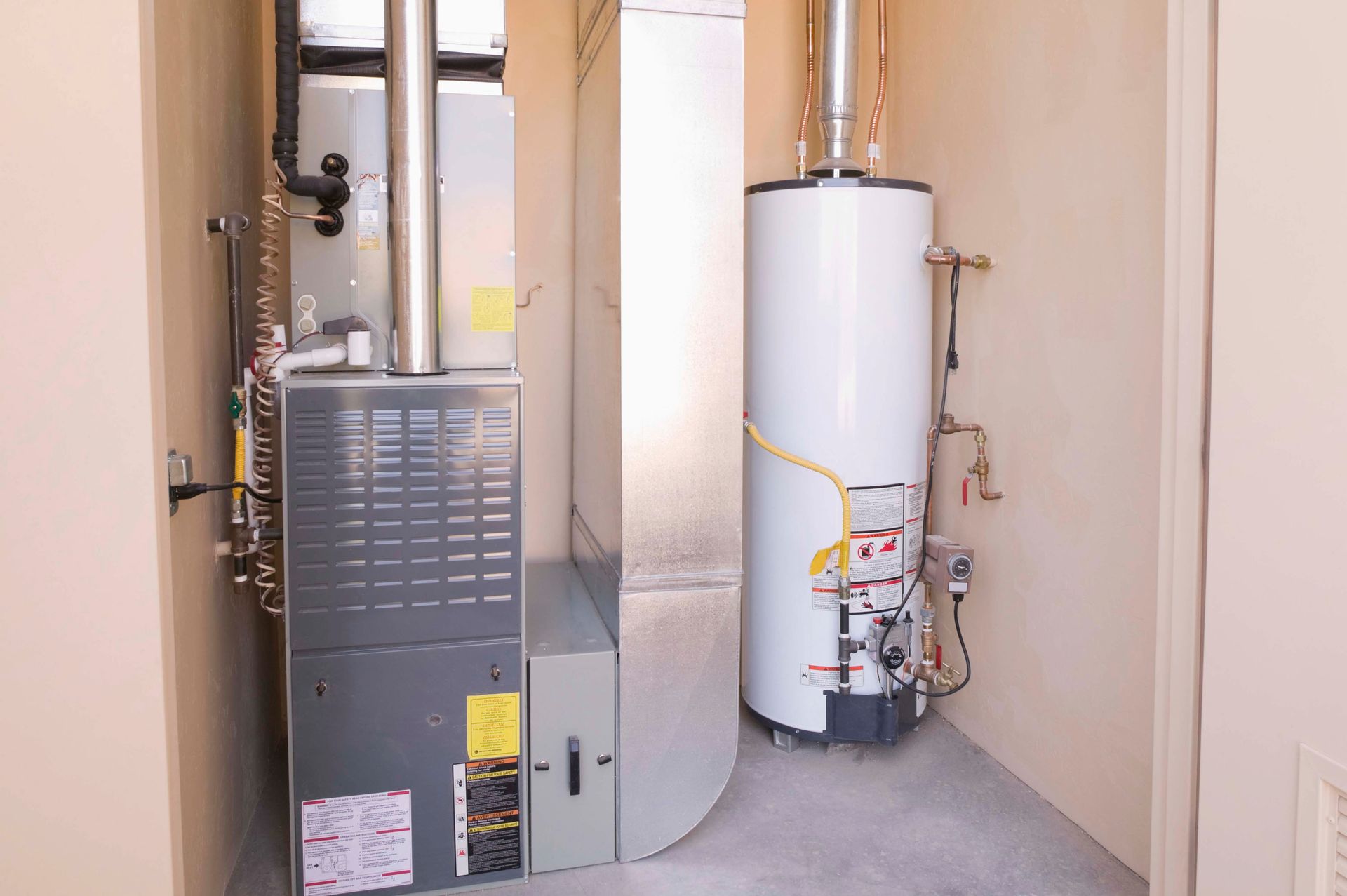
Proper venting is another essential requirement, especially for gas-powered units. Carbon monoxide must be safely directed out of the home to prevent health hazards for the residents. High-efficiency condensing units often require specialized venting materials to handle the cooler, acidic exhaust they produce.
Selecting the right water heater requires a balance of current needs, future goals, and strict adherence to safety standards. By understanding the various types of heaters and the requirements for a proper water heater install, homeowners can make informed choices. This leads to long-term savings, improved comfort, and peace of mind.
Whether choosing a traditional tank or a modern tankless system, professional guidance is often the key to success. Engaging with experts ensures that your home remains efficient and compliant with all local regulations. A well-planned installation is an investment in the long-term value and functionality of your household. For more information about water heater installation, contact Grossman Plumbing and Heating.


Share On: