
Why Whole House Water Filters Are the Best Investment for Cleaner, Safer Water
Clean, safe water is essential for every household, yet many homeowners remain unaware of the hidden contaminants that may be present in their daily water supply. Aging infrastructure, industrial activity, agricultural runoff, and natural mineral deposits can all contribute to compromised water quality. While municipal treatment facilities work to meet regulatory standards, trace contaminants often remain. This is where whole house water filters provide a meaningful advantage. By filtering all the water that enters the home, these systems offer comprehensive protection for drinking, cooking, bathing, and cleaning. Investing in whole house water filters ensures consistent water quality throughout the home, improves health outcomes, protects plumbing systems, and supports long-term savings. For homeowners who prioritize wellness, efficiency, and peace of mind, whole house water filters represent one of the most practical and impactful upgrades available.
Understanding the Risks of Water Contaminants
Water contaminants vary widely in type and severity, ranging from sediment and chlorine to heavy metals, bacteria, pesticides, and pharmaceutical residues. These pollutants often enter water supplies through aging pipes, industrial discharge, agricultural runoff, and natural environmental processes. Even low levels of contamination can accumulate over time, leading to adverse health effects and damage to household systems.
Exposure to contaminants can contribute to gastrointestinal illnesses, skin irritation, respiratory problems, and long-term health complications. Children, seniors, and individuals with compromised immune systems are particularly vulnerable. In addition to ingestion, contaminants can be absorbed through the skin during bathing or inhaled through steam, making whole-home protection critical. Whole house water filters address these risks by treating water at the point of entry, ensuring every faucet, appliance, and fixture receives filtered water.
Although regulatory agencies set water quality standards, they cannot account for changes that occur after water leaves treatment plants. Old pipes, localized pollution, and mineral-heavy groundwater can all degrade water quality before it reaches the home. By installing whole house water filters, homeowners add a powerful layer of protection that improves safety, taste, and overall water consistency throughout the entire property.
Exploring the Science Behind Comprehensive Filtration
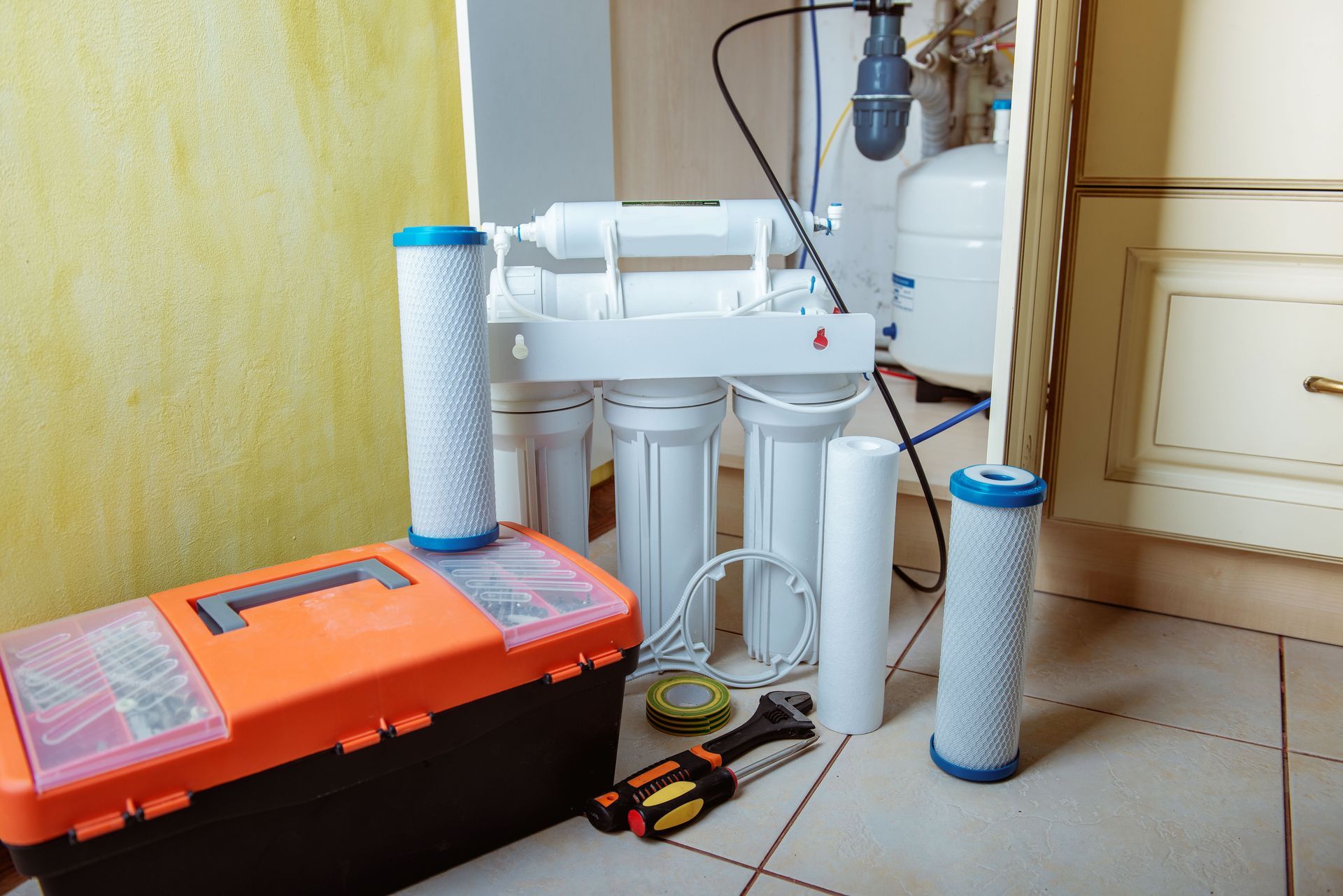
Whole house water filters rely on advanced filtration technologies designed to target a wide range of contaminants. These systems often combine multiple filtration stages, such as sediment removal, activated carbon filtration, and ultraviolet purification, to provide thorough water treatment. Each stage serves a specific purpose, ensuring comprehensive purification.
Sediment filters remove larger particles like rust, dirt, and sand, which helps protect plumbing and appliances from buildup. Activated carbon filters eliminate chlorine, volatile organic compounds, and unpleasant odors, significantly improving taste and smell. UV purification systems neutralize bacteria and viruses, adding an extra layer of protection against biological threats. Together, these technologies work seamlessly to deliver consistently clean water throughout the home.
Unlike point-of-use filters, which treat water at a single faucet, whole house water filters provide protection for every water source. This ensures safer showers, cleaner laundry, and better appliance performance. The ability to handle high volumes of water makes these systems ideal for families and larger households. With routine maintenance and scheduled filter changes, whole house water filters deliver reliable performance and long-term value.
Evaluating the Economic and Environmental Advantages
While the upfront cost of whole house water filters may seem significant, the long-term financial benefits often outweigh the initial investment. These systems reduce reliance on bottled water, minimize plumbing repairs, and extend the lifespan of appliances such as dishwashers, water heaters, and washing machines. Cleaner water prevents mineral buildup and corrosion, reducing maintenance costs and improving efficiency.
According to Velve Mater, residential plumbing accounts for 80% of industry revenue in the United States, underscoring the importance of preventative measures that protect plumbing infrastructure. Whole house water filters reduce wear and tear on pipes and fixtures, helping homeowners avoid costly repairs and premature replacements.
From an environmental perspective, whole house water filters dramatically decrease plastic waste by eliminating the need for bottled water. This reduction in single-use plastics supports sustainability efforts and lowers a household’s overall environmental footprint. Additionally, modern filtration systems are designed to operate efficiently, consuming minimal energy while delivering consistent results. By improving water quality at the source, these systems contribute to conservation efforts and promote responsible resource use.
Enhancing Health and Daily Living Standards
One of the most compelling reasons to invest in whole house water filters is the significant improvement in health and quality of life. Filtered water tastes better, smells fresher, and feels cleaner, encouraging increased hydration and healthier habits. Improved drinking water quality supports digestion, nutrient absorption, and overall wellness.
Skin and hair also benefit from reduced exposure to chlorine, heavy metals, and harsh minerals. Filtered water helps alleviate dryness, irritation, and dullness, resulting in softer skin and healthier hair. For individuals with allergies, eczema, or chemical sensitivities, whole house water filters create a gentler environment that minimizes irritation and promotes comfort.
Cooking and food preparation are equally enhanced. Clean water improves the flavor of beverages and meals while reducing the risk of contaminant exposure. From washing produce to boiling pasta, every culinary task benefits from consistent water purity. With whole house water filters, families gain confidence knowing that every drop of water used in their home meets higher standards of cleanliness and safety.
Integrating Filtration Systems into Home Infrastructure
Installing whole house water filters requires careful planning to ensure seamless integration with existing plumbing systems. These filters are typically connected to the main water line, treating all water before it enters the home.
Professional installation is often recommended to ensure proper configuration, optimal performance, and leak prevention.
Space considerations are important, as these systems require sufficient room near the water entry point. Homeowners should also account for accessibility, allowing easy maintenance and filter replacement. Regular upkeep ensures consistent performance and prolongs system lifespan. Most whole house water filters require filter changes every few months to a year, depending on water quality and usage levels.
Customization is another key advantage. Water testing allows homeowners to identify specific contaminants in their local supply, enabling the selection of a filtration system tailored to those needs. Whether addressing hard water, high sediment levels, or chemical contamination, whole house water filters can be adapted to deliver targeted protection. This flexibility ensures optimal results regardless of geographic location or environmental conditions.
Recognizing Real-World Performance and User Benefits
Homeowners who install whole house water filters consistently report noticeable improvements in water quality, appliance efficiency, and overall comfort. Many experience reduced scaling on fixtures, fewer plumbing issues, and enhanced water clarity. Families also report better tasting water, healthier skin, and fewer allergy symptoms, highlighting the system’s holistic impact.
Experts in water treatment endorse whole house water filters for their comprehensive coverage and reliability. Comparative studies show significant reductions in contaminants when whole-home systems are used, outperforming point-of-use alternatives. These findings reinforce the value of treating water at the source rather than relying on isolated solutions.
Regional water challenges further demonstrate the importance of adaptable filtration. Areas with high mineral content, agricultural runoff, or industrial pollutants benefit greatly from customized whole house water filters. By addressing localized concerns, these systems provide consistent protection regardless of external conditions.
Whole house water filters offer a comprehensive, reliable, and cost-effective solution for improving water quality across every aspect of daily life. By addressing contaminants at the point of entry, these systems enhance health, protect plumbing, reduce environmental impact, and deliver long-term financial savings. From drinking and cooking to bathing and cleaning, whole house water filters provide unmatched consistency and peace of mind. Investing in this technology is a proactive step toward a healthier, safer, and more sustainable home environment. For expert guidance and professional installation, contact Grossman Plumbing and Heating today to take the first step toward cleaner, safer water for your entire home.



Share On: