
Which Water Filtration System Is Right for You?
Choosing the right water filtration systems can be a daunting task, given the multitude of options available. This article seeks to guide you through the most critical considerations and frequently asked questions regarding water filtration systems. Understanding the various systems, assessing your needs, and knowing what factors to consider can greatly simplify your decision process. Clean water is essential for your health, and a good filtration system can provide peace of mind. By the end of this article, you will be well-equipped to select the best water filtration systems for your home. This foundational knowledge helps you move forward with confidence as you compare available solutions. With the right guidance, the process becomes far more manageable than it may initially seem. As you explore your options, you'll gain a clearer picture of which systems align most effectively with your household’s needs.
Evaluate Your Water Quality
Assessing your water quality is the first step in choosing appropriate water filtration systems. Start by obtaining a water quality report from your local water supplier or use a home testing kit to identify contaminants. Knowing the types and levels of contaminants, such as bacteria, heavy metals, or chemicals, will help in determining which filtration system suits your needs. Some filters are specifically designed to remove certain types of contaminants more effectively than others. For example, according to Fortune Business Insights, reverse osmosis filters remove up to 99% of contaminants to provide high-quality potable water. This information empowers you to choose a system that directly targets the issues found in your water supply.
Comparing the water quality in your home to national safety standards will give you a clearer picture of any issues that need addressing. The Environmental Protection Agency (EPA) sets regulations for water quality, including maximum contaminant levels for different substances. Testing your water regularly can identify any new or persistent issues over time. Monitoring any suspicious changes in taste, odor, or color can also indicate water quality issues. Once your water’s quality is assessed, you can choose a system tailored to combat the specific impurities found. This proactive approach ensures continued safety and quality for your household’s water consumption.
Define Your Household’s Filtration Needs
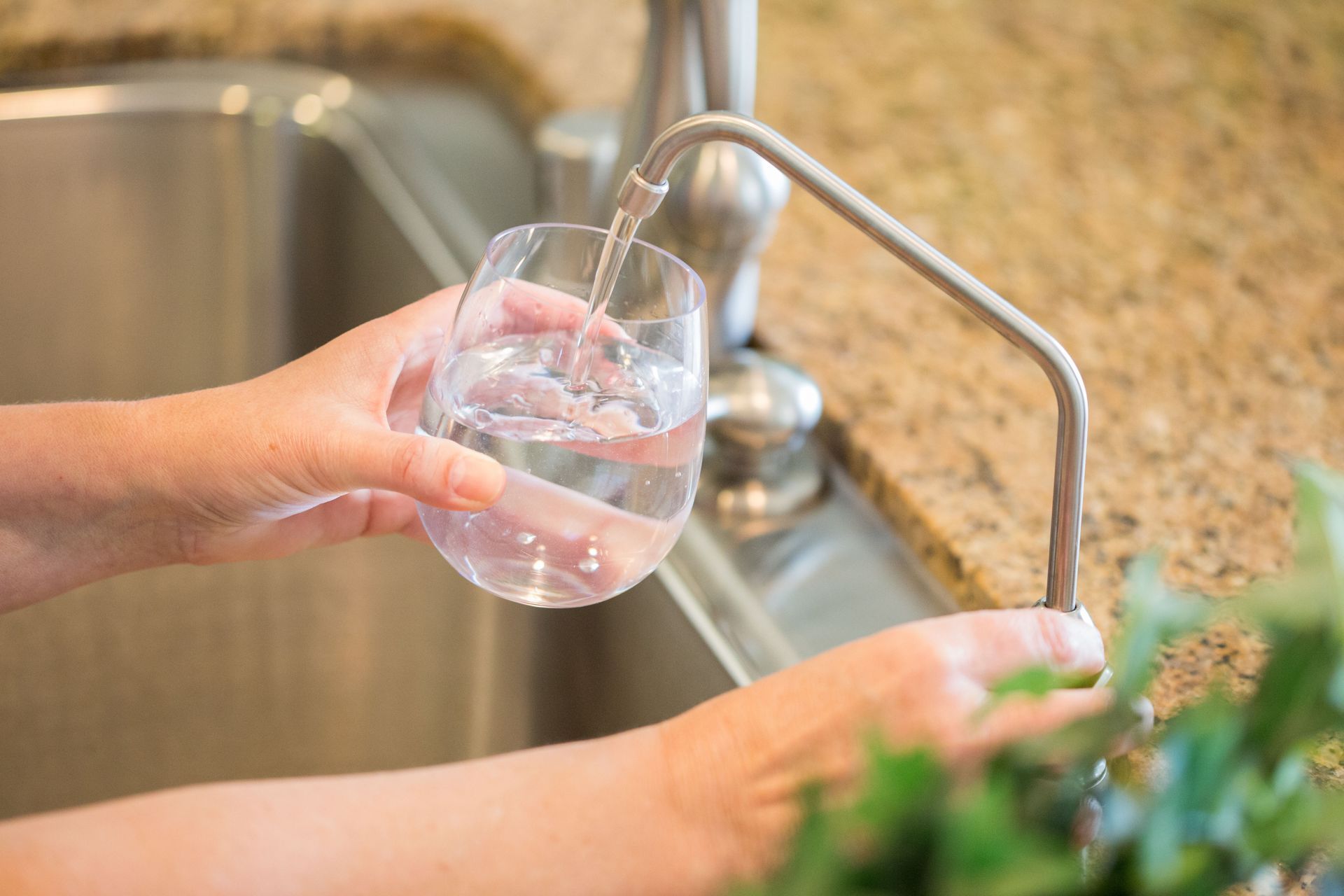
Once you've assessed your water quality, identify your household's specific needs to further narrow down filtration system choices. Consider whether you need a whole-house filtration system or a point-of-use system for drinking water. Whole-house systems treat water as it enters your home, ensuring clean water from every tap, which is advantageous if contaminated water can affect skin and laundry. Conversely, point-of-use systems, such as under-sink filters or pitcher filters, are designed for consumption. Choosing between these depends on the level of you
r needs for filtered water throughout your home. Clarifying this distinction helps you avoid paying for more filtration than you require.
Understanding your usage patterns can also guide your filtration solution choice. Households that consume large quantities of water may prefer systems with faster flow rates and larger capacities. Families with infants or immune-compromised individuals may prioritize filters that remove specific pathogens to enhance safety. Acknowledging whether you need filtration for drinking, cooking, or bathing can help allocate resources efficiently. Each system has its unique benefits, so it's important to match these with your daily water usage habits. This tailored approach ensures your system delivers consistent performance for your lifestyle.
The need for additional features can also influence your decision. Some water filtration systems are adept at removing impurities but might strip beneficial minerals or alter the water's taste. Select systems designed to retain essential minerals or provide remineralization. Homeowners with a preference for alkaline water may opt for systems that offer pH enhancement. Ultimately, detailing your household's needs ensures the filtration system you choose enhances quality without compromising essential properties. These added features can make your drinking water not only cleaner but also more enjoyable.
Balance Your Budget With System Performance
Budget considerations play a vital role in the decision-making process for choosing water filtration systems. The price span for systems varies greatly, from economical faucet attachments and pitcher filters to more extravagant, whole-house systems. Many purchasers often focus solely on the upfront cost, but it's important to consider long-term expenses such as filter replacements and maintenance. Some systems require frequent cartridge changes, which can add to operational costs over time. Before purchasing, make sure to balance your budget with the quality and lifespan of the system you're considering. This ensures you invest in a solution that remains affordable and effective over time.
Additionally, cost should correlate with effectiveness; more expensive systems often provide comprehensive filtration. Evaluate if a higher-priced system offers superior contaminant removal that matches your water quality needs. It’s wise to compare the overall cost and efficiency with your daily water consumption and expected lifespan of the unit. Investing in a high-quality system may save money in health-related expenses down the line by providing better protection. Ultimately, a thoughtful cost-benefit analysis helps you select a filtration option that aligns with both your needs and your budget.
Consider Installation and Maintenance Requirements
The installation process and usability of water filtration systems are important factors to consider for a smooth, hassle-free experience. Systems typically necessitate expert installation, particularly whole-house systems involving plumbing modifications. Quick-connect fittings and pre-assembled units are marker points for easier setups. How a system integrates into your home setting is consequential for both present and future convenience. A well-planned installation can prevent unnecessary disruptions and ensure optimal system performance.
Equally important is the user-friendliness of the system for daily operation and maintenance. Attributes such as filter change indicators and simple cartridge replacement procedures can markedly reduce maintenance efforts. Some systems come with digital screens or app connectivity, allowing users to monitor performance and receive alerts remotely. Selecting a filtration system that aligns with your technical comfort level ensures you’ll effectively manage it. Reliable systems should provide clear, concise maintenance directions to assist homeowners in keeping everything in optimal function. This ease of use encourages consistent upkeep, helping your system last longer.
Portable and space-saving designs are also appealing features for simplifying water filtration operations. For smaller households or kitchens, compact filtration units can prove invaluable. Systems that integrate seamlessly with existing kitchens or utility spaces tend to be more user-friendly and aesthetically pleasing. Conversely, extensive customizations may be required for others, significantly affecting their convenience level. Choosing a system with manageable upkeep and intuitive operation promotes better water filtration habits, ensuring consistent access to clean, filtered water. These conveniences make it easier to maintain high water quality without disrupting your routine.
Choosing the right water filtration systems is crucial for ensuring safe and clean drinking water in your home. By understanding the different types of systems, how they work, their benefits, factors to consider, and potential maintenance issues, you can make an informed decision that best suits your needs. From evaluating your water quality to factoring in specific needs, budget, ease of installation, and brand reputation, filtering through the details ensures a rewarding investment. Discovering a system that seamlessly integrates into your household’s water usage habits will bring long-term benefits. Ultimately, well-chosen water filtration systems promote the health and well-being of your family. Professional guidance can further simplify the selection process and ensure long-term satisfaction. Reach out to Grossman Plumbing and Heating to learn more about our services today.

Share On: