
How Tankless Water Heaters Can Save You Money on Energy Bills
With energy costs steadily rising, homeowners are seeking efficient ways to manage expenses while reducing their environmental impact. The water heating industry has evolved significantly, and tankless water heaters are emerging as a top choice for their efficiency and reliability. These modern systems promise not only to save energy but also to reduce household water waste, offering a practical alternative to traditional storage tank heaters. Unlike conventional systems that keep water constantly heated in a tank, tankless units warm water only when needed. This on-demand feature can lead to substantial energy savings and is especially beneficial in homes where hot water use varies throughout the day.
According to the EPA, the average household's leaks can account for more than 10,000 gallons of water wasted each year—the equivalent of 270 loads of laundry. By integrating tankless water heaters, homeowners can significantly reduce waste while improving efficiency. These systems ensure that hot water is produced only as required, eliminating the standby energy losses common in storage tank systems. As a result, tankless models contribute to both lower energy bills and water conservation, aligning with modern sustainability goals.
Understanding How Tankless Water Heaters Work
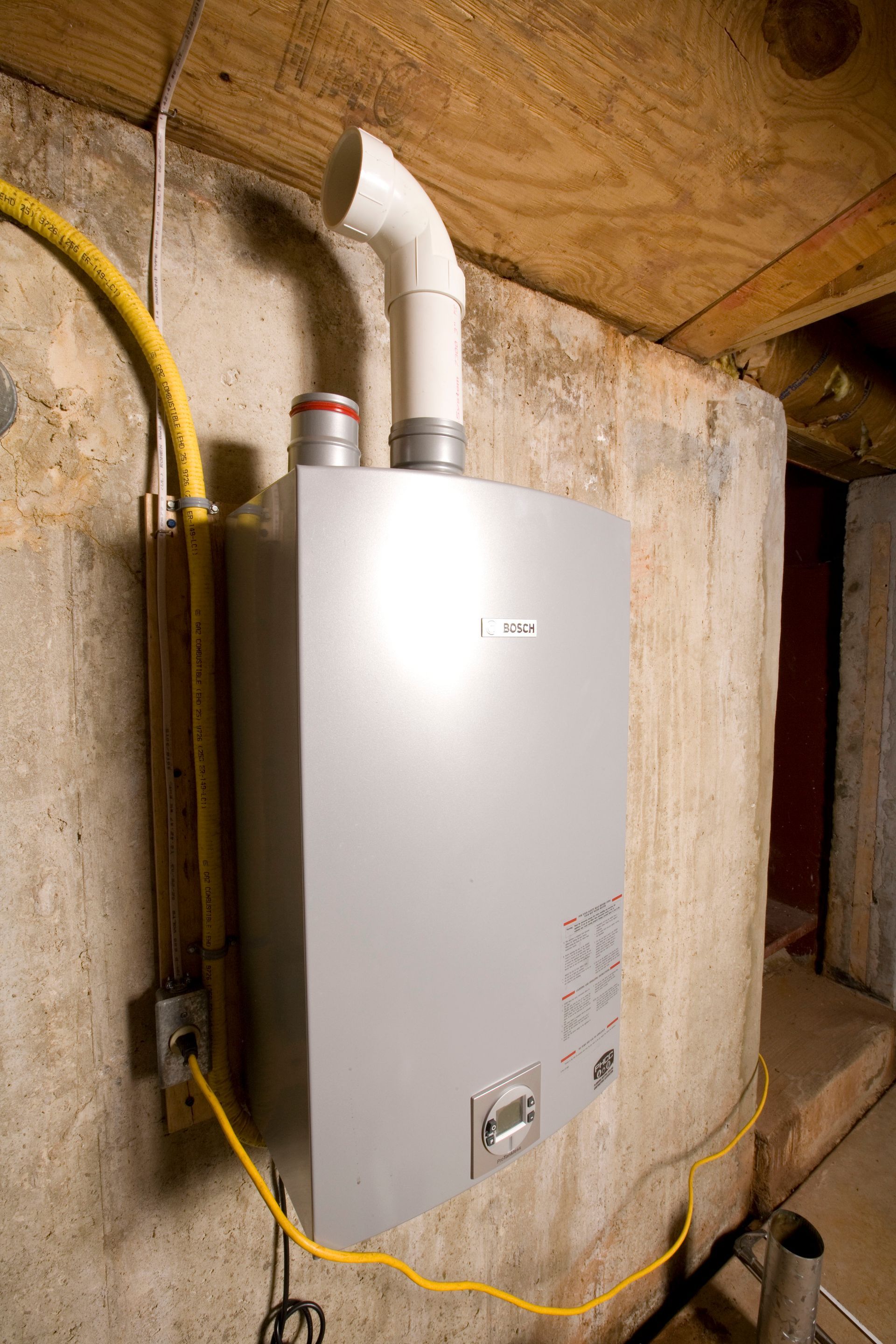
Tankless water heaters, also known as on-demand heaters, operate by heating water as it flows through the system rather than storing it. When a hot water tap is turned on, a flow sensor detects the movement of cold water and activates the heating element or gas burner. The water passes through a heat exchanger, quickly reaching the desired temperature before being delivered to the faucet or appliance. This process provides a steady stream of hot water without the need for a bulky tank, saving both space and energy. Because of this efficiency, tankless water heaters have become increasingly popular for both small and large households seeking consistent performance and lower utility costs.
Another key advantage of tankless water heaters is their compact and versatile design. Unlike large storage tanks that require significant floor space, these systems can be wall-mounted in tight areas such as utility closets, garages, or basements. This flexibility makes them especially attractive for modern homes and smaller living spaces where maximizing square footage is essential. Additionally, their sleek and minimal design often allows for easier access during maintenance or repairs, reducing downtime and labor costs.
Tankless systems also offer greater control over water temperature and flow, allowing homeowners to customize settings for optimal comfort and efficiency. Many modern models feature digital interfaces that let users adjust temperatures precisely, track usage, and even monitor performance through smartphone apps. This level of control ensures consistent water temperature and helps identify potential maintenance needs early, preventing costly repairs down the line. These innovations make tankless water heaters not only efficient but also technologically advanced, fitting seamlessly into the modern smart home.
Differences Between Tankless and Traditional Systems
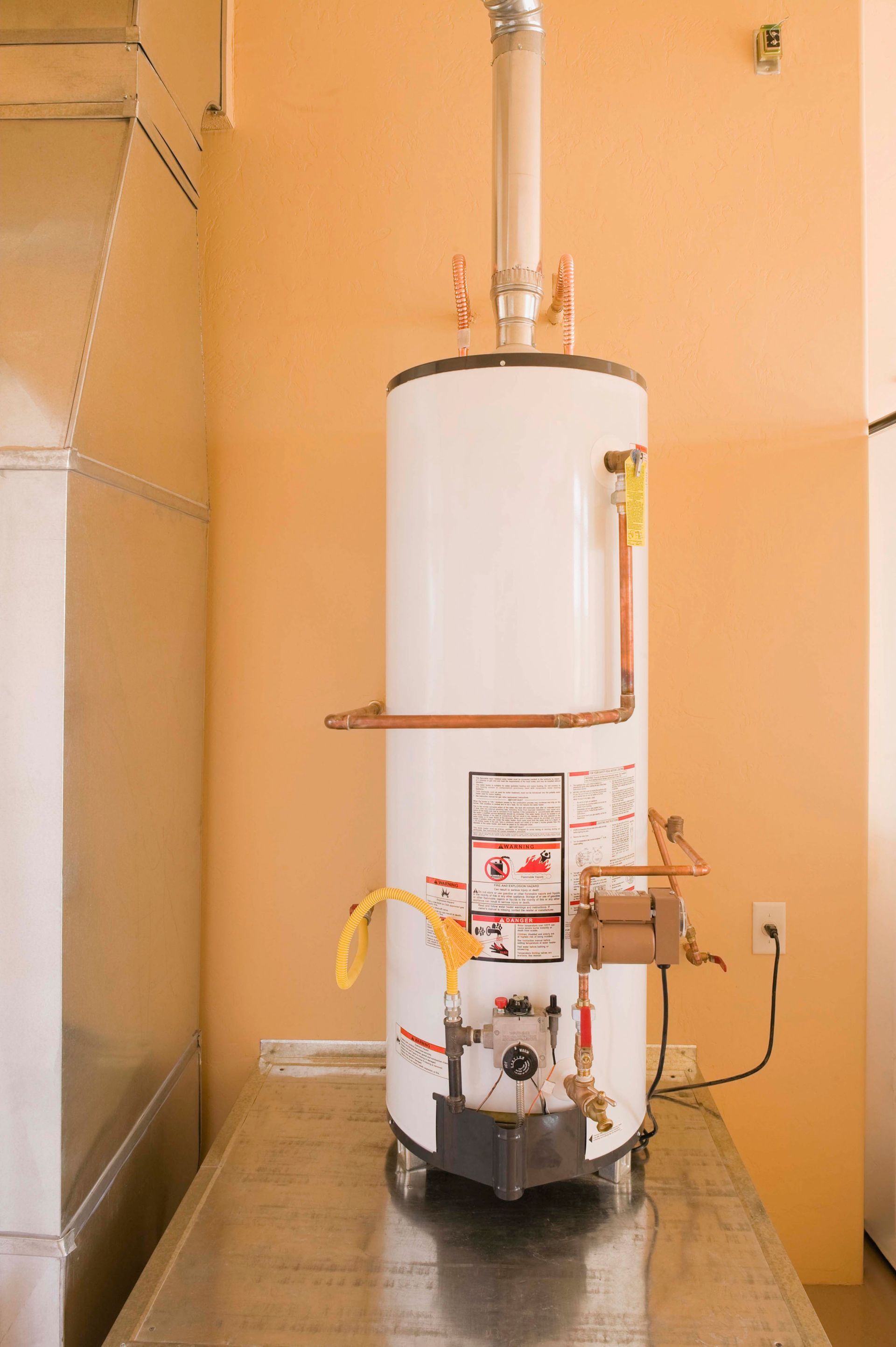
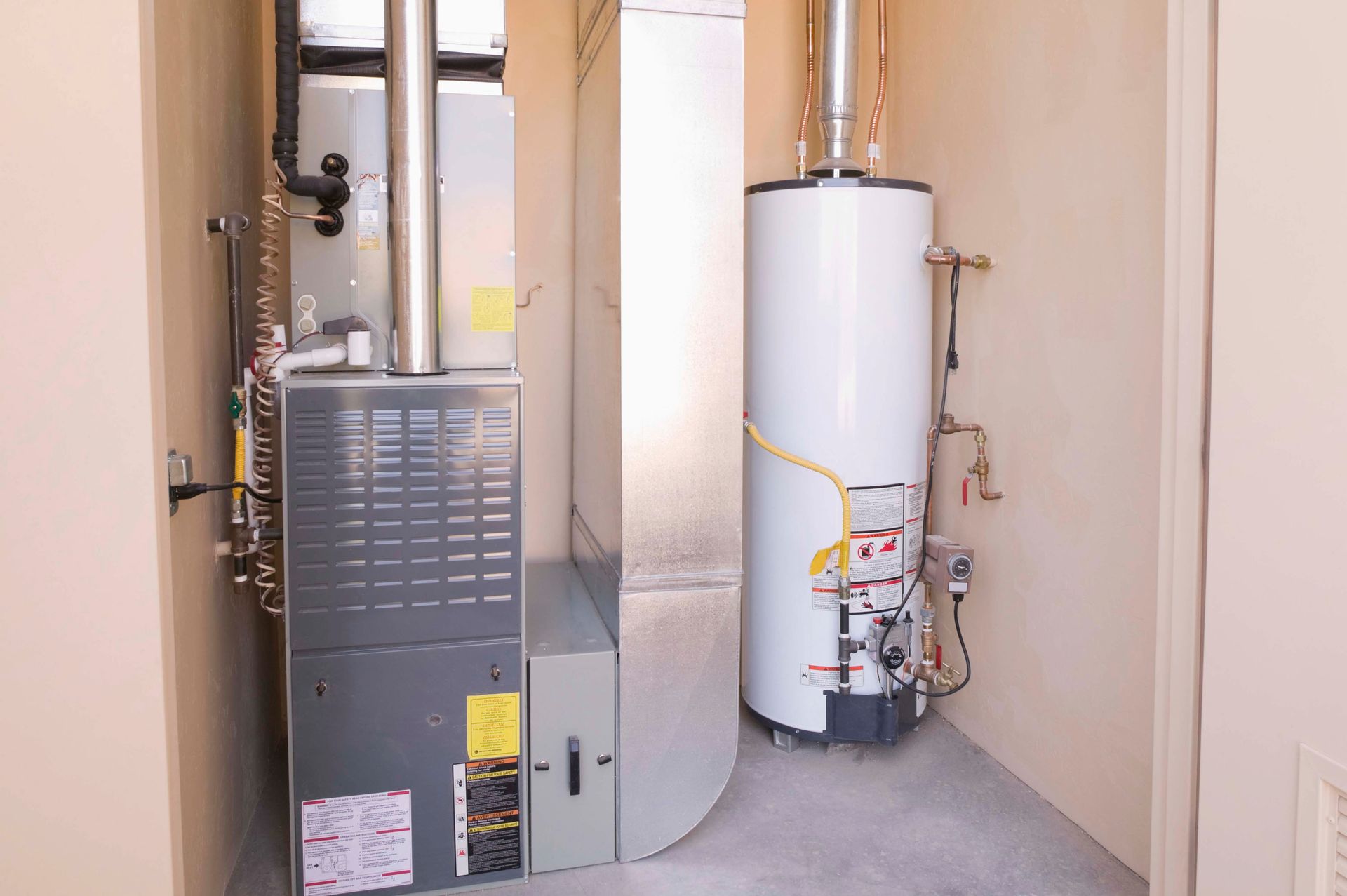
The main difference between tankless water heaters and traditional models lies in how they store and heat water. Conventional systems keep a large tank of hot water ready for use, which requires constant reheating and leads to higher energy consumption. In contrast, tankless systems heat water only when it’s needed, eliminating wasted energy. This operational efficiency translates into monthly savings on energy bills. In our experience, tankless units typically have a lifespan of 20 years or more—nearly double that of traditional heaters. Their compact design also frees up space in mechanical rooms or closets, making them ideal for modern homes.
Beyond efficiency, tankless water heaters also provide a more reliable supply of hot water for households with varying demands. Unlike traditional tanks that can run out of hot water during back-to-back showers or laundry cycles, tankless systems maintain a continuous flow as long as the demand stays within the unit’s capacity. This makes them especially beneficial for larger families or homes with multiple bathrooms, ensuring everyone enjoys consistent hot water without waiting for a tank to refill and reheat.
The Instantaneous Heating Advantage
The heating process in tankless systems is fast and efficient. Once activated, the water passes through heating elements or burners that warm it almost instantaneously to the set temperature. Because tankless water heaters don’t store pre-heated water, they avoid the standby energy losses that plague traditional models. Homeowners benefit from a continuous flow of hot water without the wait time associated with refilling a tank. While some may experience a short delay, known as a “cold-water sandwich,” this can be easily addressed with the addition of a recirculation pump or buffer tank. This innovation ensures consistent comfort and optimized energy use.
Energy Source Options and Efficiency
Tankless water heaters can be powered by electricity, natural gas, or propane. Gas-fired models typically provide higher flow rates, making them better suited for larger households, while electric versions are compact and easier to install. Electric models do not require venting, which simplifies installation and reduces setup costs in certain cases. Some homeowners even opt for hybrid systems that combine electric and gas features for maximum flexibility. The choice between gas and electric models often depends on local energy prices, existing infrastructure, and household hot water demand. Regardless of energy source, both options deliver greater efficiency than traditional tank-based systems.
Common Misconceptions About Tankless Systems
One common misconception is that tankless water heaters cannot handle large households. In reality, properly sized systems can easily meet heavy demand by providing multiple units or using point-of-use models for high-demand areas. Another myth is that tankless units are too expensive to install. While the initial investment may be higher, the long-term savings on energy costs and reduced maintenance often outweigh the upfront price. Additionally, some believe tankless systems waste electricity in standby mode; however, these systems only consume power when water flows through them. This makes them far more efficient than tank-style heaters that constantly maintain stored water at high temperatures.
Real-World Energy Efficiency and Savings
Traditional water heaters lose energy through standby heat, constantly using electricity or gas to keep water hot. Tankless water heaters eliminate this inefficiency by heating water only when needed. According to the EPA, tankless water heaters can be more energy-efficient than traditional storage tank models because they eliminate standby heat loss. Even in larger homes, they still outperform tank models in energy use and longevity. Their efficiency remains consistent across various climates and household sizes, making them a versatile solution for homeowners who want to lower utility bills. Additionally, tankless units require less maintenance, reducing long-term repair costs.
Financial and Environmental Benefits
The initial investment for tankless water heaters may seem steep, but their long-term value is undeniable. Homeowners benefit from significantly lower monthly energy bills, fewer replacements, and reduced water waste. In some regions, local utility companies offer rebates or tax incentives for upgrading to energy-efficient systems, making installation more affordable. Over time, the savings can easily offset the upfront cost, often within a few years. Environmentally, tankless systems contribute to reduced carbon emissions and water conservation, helping homeowners achieve greener living standards while maintaining convenience and comfort.
Switching to tankless water heaters is a smart decision for homeowners looking to save on energy costs and promote sustainability. Their efficiency, long lifespan, and reliable performance make them a superior alternative to traditional systems. By choosing this modern solution, homeowners can enjoy instant hot water, lower utility bills, and a smaller environmental footprint. For expert installation and reliable service, contact Grossman Plumbing and Heating today. Their experienced professionals can help you select and install the perfect tankless system for your home, ensuring long-term efficiency and comfort.

Share On: